How Important Is Sleep for Football Recovery Really?
In the fast-paced, ultra-competitive world of modern football, fine margins often decide matches and seasons. Clubs and players relentlessly seek every advantage to improve performance and accelerate recovery. Among the myriad tools and strategies at their disposal, sleep is emerging as one of the most critical factors influencing footballers’ muscle recovery, training adaptation, and ultimately, match readiness.
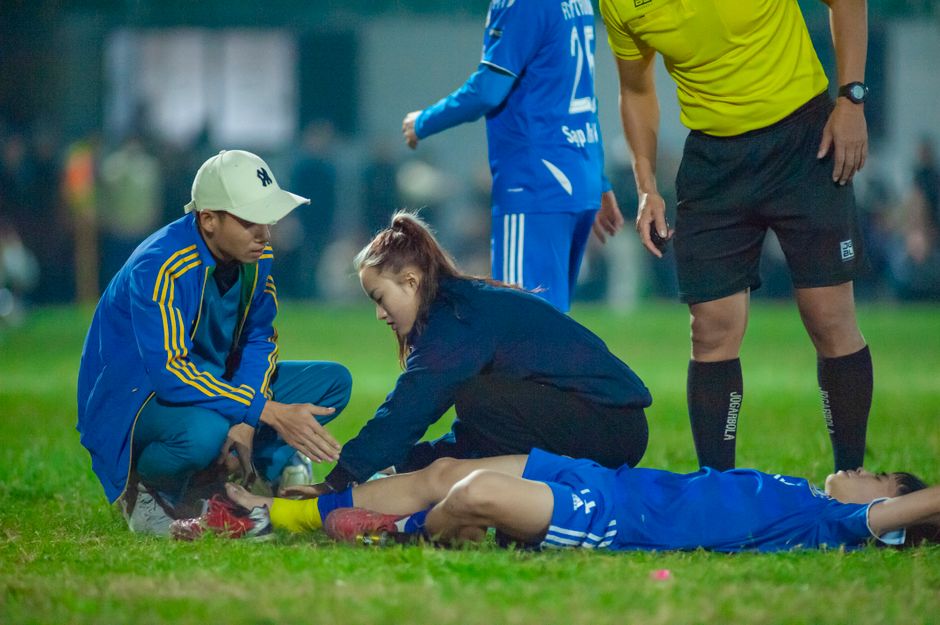
This post dives into the realities of sleep in professional football, the challenges teams face with fixture congestion and travel, and how data analysis—including sprint data—helps craft personalised recovery plans. We’ll cut through the noise and explain what sleep quality really means for footballers aiming to stay fit and sharp.
The Fine Margins in Modern Football
You ever wonder why if you watch the premier league or any top european league https://casinocrowd.com/is-medical-cannabis-allowed-for-athletes-in-the-uk-a-deep-dive-into-sports-rules-and-recovery/ closely, you’ll see how tightly-packed teams are in terms of physical fitness and tactical preparation. Sometimes, the difference between winning and losing can be down to how fresh a player feels after a week of intense training and a demanding match schedule.
Sports science tells us recovery isn’t just about what happens on the training pitch or in the gym—it’s hugely impacted by what happens off the pitch, especially overnight. Good sleep quality is when a player cycles adequately through the deep and REM stages of sleep, allowing for optimal muscle repair and neurological reset.
Why Sleep Quality Matters More Than Just Sleep Duration
- Muscle Recovery: Deep sleep triggers the release of growth hormone, essential for muscle repair after high-intensity exercise.
- Training Adaptation: Sleep consolidates learning (like new tactical instructions) and physical adaptations from training.
- Cognitive Function: REM sleep is critical for decision-making and focus, which directly influences performance on the pitch.
Simply sleeping longer isn’t enough if the quality of that sleep is poor. Even small disruptions can lead to incomplete recovery.
Fixture Congestion and Travel: The Sleep Disruptors
One of the biggest issues teams face in maintaining good sleep quality is the packed schedule—often playing two games a week—and the travel involved, especially during European competitions and international breaks.
Late matches add a different challenge. Footballers may not be able to get to bed until well past midnight due to the match ending late, post-match routines, interviews, media duties, and possibly lengthy rest and travel arrangements.
The Impact of Late Kick-offs on Sleep Patterns
Factor Effect on Sleep Impact on Recovery Match end time past 11pm Delayed sleep onset & reduced total sleep time Impaired muscle recovery & delayed training adaptation Post-match adrenaline Fragmented sleep, less deep sleep Less growth hormone release Travel after match Sleep environment disruption (hotel rooms, time zones) Reduced sleep efficiencyAll these factors compound to interrupt the very processes footballers rely on to bounce back quickly.
Using Data Analysis and Sprint Data in Sleep and Recovery Planning
Teams are no longer just guessing about players’ readiness. They now employ advanced data analysis techniques and wearable technology to track heart rate, GPS-based sprint data, and even sleep metrics from wrist devices. These data points provide objective insight into how well a player is recovering overnight.
How Sprint Data Links to Sleep Quality
Sprint performance—number of sprints, top speed, and recovery between sprints—is a strong indicator of neuromuscular readiness. Let me tell you about a situation I encountered thought they could save money but ended up paying more.. Coaches and performance staff have found that poor sleep quality often correlates directly with reductions in these sprint metrics in training and matches.
- Lower sleep quality → less explosive power and speed on the pitch.
- Variations in sprint output can flag incomplete recovery overnight.
By integrating sleep data with training loads and sprint performances, clubs can tailor recovery plans specific to each player’s status.
Personalised Recovery Plans: One Size Does Not Fit All
The biggest change in the last few years is the move away from one-size-fits-all recovery protocols to personalised plans based on data. Learn more here Every player is unique in how stress, sleep disruption, and travel affect them.
Performance teams may modify:
- Training intensity on the days following late-night matches.
- Sleep hygiene advice, like controlled caffeine intake and light exposure strategies.
- Use of napping protocols and where/when players should rest.
- Travel arrangements optimized to allow maximal sleep opportunities, such as charter flights and private accommodation.
This personalization reduces injury risk and maintains high performance in the face of hectic schedules.
What Does This Mean for Saturday Selection?
All this science boils down to making the best decisions about who starts on Saturday and who needs rest or modified training during the week. If a player’s sleep quality after a midweek game is poor, data might indicate reduced sprint capacity or slower recovery, signaling that they might be less effective or at greater injury risk if played again too soon.

Managers increasingly trust these insights to rotate squads intelligently without compromising competitiveness. In other words, understanding sleep and recovery isn’t just academic fancy—it’s a practical tool to help staff pick the best, freshest eleven every matchweek.
Conclusion
Sleep quality is no longer considered a soft variable or external factor easily overlooked. With the relentless fixture congestion in modern football, especially across Europe’s top leagues and tournaments, prioritising sleep has become essential for muscle recovery, training adaptation, and consistent matchday performance.
Through detailed data analysis, including GPS and sprint metrics combined with sleep tracking, sports science teams craft personalised recovery plans that respect the the individual needs of players while navigating challenges like late kick-offs and extensive travel.
For football fans and analysts alike, realising that how well a player sleeps can directly influence their sharpness and explosiveness on the pitch enriches understanding of what goes on behind the scenes. This knowledge highlights why some players shine or fade in congested periods and why smart recovery management can define a team’s success.