Sleeping at Home Before a Match – Does it Actually Help?
In the high-stakes world of professional football, every edge counts. From subtle tactical tweaks to cutting-edge recovery tech, teams chase marginal gains relentlessly. One oft-discussed but insufficiently examined factor is something far simpler: sleep. More specifically, does sleeping in your own bed the night before a match genuinely improve performance, or is it just a comforting myth?
Let's unpack this topic through the lenses of fixture congestion, preseason fitness, squad depth, and the science of sleep quality. Along the way, we'll touch on handy recovery tools like Peloton’s digital fitness offerings and how your matchday preparation — including a family night at home vs. a hotel bedtime — can influence outcomes on the pitch.
Share this post:
Fixture Congestion and Fatigue: Why Sleep Matters More Than Ever
In leagues like the Premier League, summer tournaments and TV scheduling have pushed fixture congestion to an extreme. Clubs might play two or three high-intensity matches a week over several months. This reality means players rarely get full recovery time, and fatigue accumulates.
Repeated exertion without proper rest increases injury risk and diminishes sharpness. Sleep is the ultimate natural recovery tool — it’s when your body repairs microscopic muscle damage, replenishes glycogen stores, and consolidates memory (which includes tactical learning from training sessions).
Dr. Jan Ekstrand (head of research at UEFA) highlighted in a recent interview that players coming off midweek Champions League games who reported poor sleep were significantly less effective in weekend matches. This correlation wasn’t vague — it was linked to sharp declines in match intensity and decision-making speed.
Matchday Preparation Starts the Night Before
When fatigue risks are high, how you prepare the night before becomes critical. This preparation isn't just about diet or mental focus but the quality of sleep and the environment in which it happens.
Teams that prioritize players sleeping at home in their familiar surroundings argue that it’s a crucial element for consistent rest. But is this backed by science and real-world practice?
Preseason Fitness, Squad Depth and Managing Recovery Strategies
Preseason is designed to build a fitness foundation to withstand season-long demands. But fixture congestion reveals that preseason fitness alone isn’t enough without a robust recovery regime and a deep squad capable of rotation.
Top-flight clubs integrate personalized recovery plans involving physiotherapy, nutrition, and sleep coaching. They also monitor players using wearable tech to track sleep duration and quality — an area where digital fitness solutions like Peloton come into play.
Peloton's Role in Recovery and Match Readiness
Peloton isn’t just a platform for cyclists and gym fans — it’s increasingly used in elite sports for active recovery sessions. Their partnership with football teams focuses on recovery bikes and guided sessions enabling athletes to engage in low-impact workouts that promote blood flow and reduce muscle stiffness.
This kind of active recovery complements improved sleep by enhancing circulation and accelerating metabolic waste clearance. However, Peloton’s offerings do not publish fixed prices in publicly scraped info — and it’s important to avoid speculating fees for their devices or related services.
Sleep Quality: The Own Bed Advantage vs Hotel Routine
Sleep scientists have identified the "first night effect" as a measurable reduction in sleep quality when people stay in unfamiliar environments, such as hotels. Factors like unfamiliar noises, changes in mattress firmness, and altered routines all contribute.
These disruptions can lower slow-wave sleep and REM phases, essential for physical recovery and cognitive function. In football hydration for football recovery terms, this can translate to decreased sprint explosiveness, slower reaction times, and diminished tactical sharpness.
Case Study: Home Comfort and Family Night
Manchester United’s coach Erik ten Hag once highlighted how allowing players to stay at home with family the night before matchday creates best pillow for athletes a more settled emotional state. Players report feeling less anxious and more comfortable, contributing to a natural sleep onset and longer duration.
This family night before game becomes not just an emotional buffer, but a physiological booster too. Interestingly, clubs aware of this typically schedule matches later on Sundays or Mondays to facilitate a normal sleep cycle at home rather than forcing overnight hotel stays.
Balancing Home Sleep and Team Logistics
That said, logistical demands sometimes make home sleep impossible, especially for away fixtures requiring early or long travel. Clubs often put emphasis on creating "hotel home" environments using blackout curtains, noise-cancelling devices, and rigid sleep hygiene protocols.
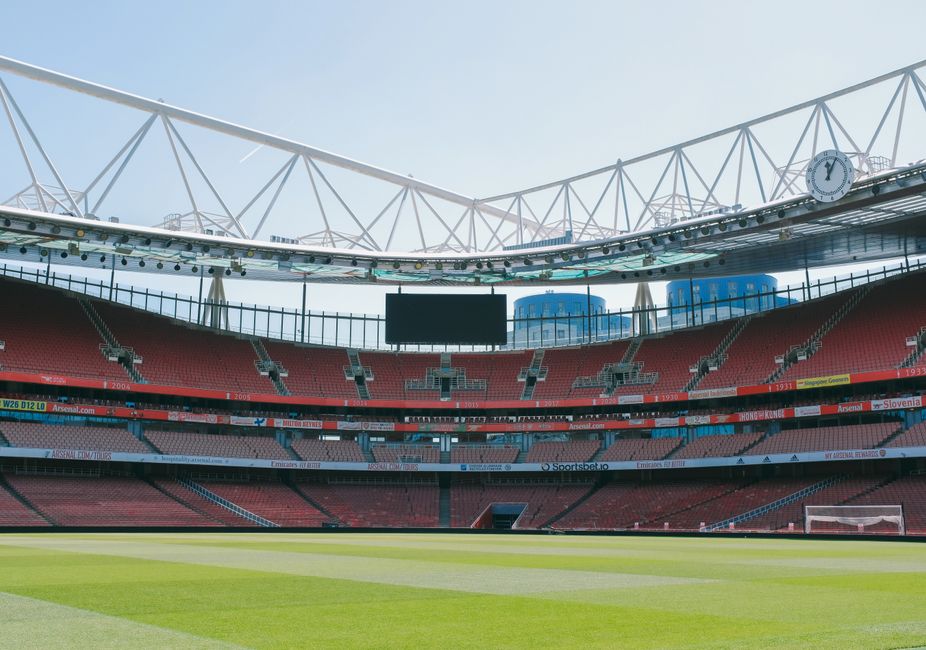
While not able to completely replicate the comfort of own bed sleep, these efforts reduce sleep fragmentation and help players preserve as much rest quality as possible.
Tips for Players and Teams to Optimize Pre-Match Sleep
- Maintain consistent bedtime routines: Even on travel days, stick to the same wind-down activities to signal your body it’s time for sleep
- Use recovery devices smartly: Active recovery bikes or guided meditation apps (including Peloton recovery classes) can prepare your body for better sleep quality
- Limit screen time before bed: Blue light disrupts melatonin; teams are increasingly educating players on effective light management
- Prioritize home sleep when possible: If the schedule allows, opt for traveling after a full night at home to capitalize on the psychological and physiological rest benefits
- Create a ‘hotel sleep kit’: Eye masks, earplugs, and consistent temperature control help mimic familiar cues from home
Conclusion: Own Bed Sleep is More Than Just Sentiment
For footballers aiming to maximize performance, the simple act of sleeping at home the night before a match carries concrete benefits. It reduces the first night effect, enhances sleep quality, and stabilizes emotional readiness. When combined with preseason fitness, squad depth, and recovery tools like Peloton, this approach helps mitigate fatigue caused by fixture congestion.

Professional clubs are still fine-tuning their balance between home comforts and logistical necessities. But the trend is clear: wherever possible, players benefit from a family night before game and a restful night in their own bed. It’s an advantage that can meaningfully impact their physical sharpness and mental clarity, turning the tide in tight matches.
Liked this post? Share it with your friends: